FIG. 1 — Pulsed-laser irradiation locally melts and reorganizes the steel surface into catalytic nanoparticle sites, from which aligned CNTs are grown.
Overview
This project was completed for a Senior Research Project at the University of Pittsburgh Swanson School of Engineering.
Conventional CNT growth typically requires a dedicated catalyst deposition step, sputtering or depositing a thin metal film before growth. This project explored whether a pulsed laser could do that job directly on stainless steel, using the laser to nucleate iron-rich catalyst nanoparticles in situ from the alloy's own surface, then growing vertically aligned CNT forests from those sites in a single integrated process.
Approach
- Irradiated 304/316 stainless steel coupons with a pulsed laser across a range of fluence and pulse-count conditions to control resulting nanoparticle size and density.
- Characterized the laser-formed catalyst nanoparticles via SEM and EDS before growth to correlate surface treatment parameters with particle morphology.
- Grew CNT forests via chemical vapor deposition directly on the treated surfaces, without any added catalyst layer.
- Evaluated forest height, alignment, and areal density via SEM, EDS and Raman spectroscopy, benchmarking against conventionally catalyzed growth.
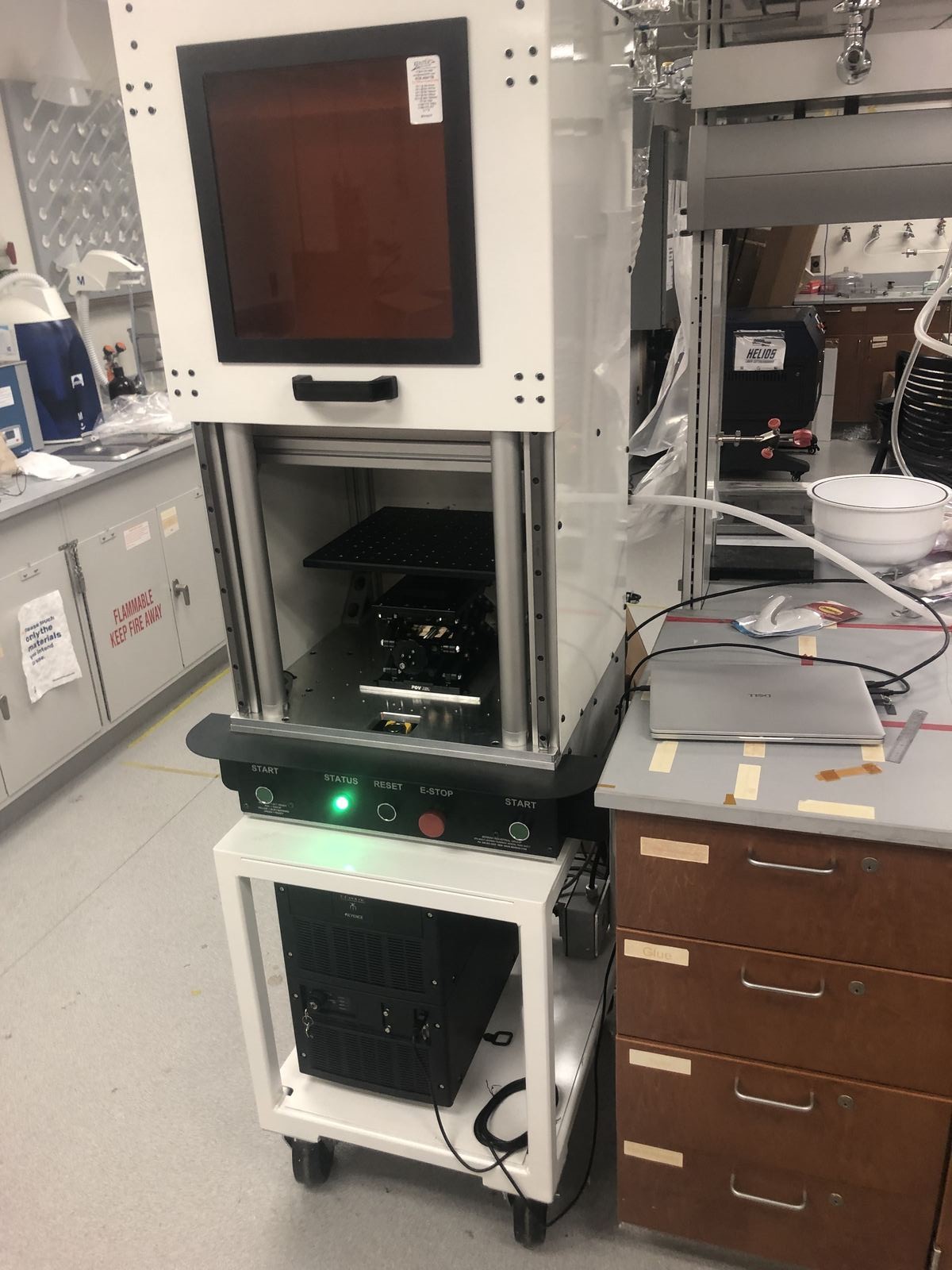
FIG. 2 — Close-up of the pulsed-laser setup used to irradiate the stainless steel coupons.
Results
I found certain combinations of parameters that were most conducive to growth, and used the results to argue against the literature theory that dewetting is the primary mechanism of catalyst formation on bulk stainless steel. Instead, my data pointed to diffusion as the dominant mechanism.
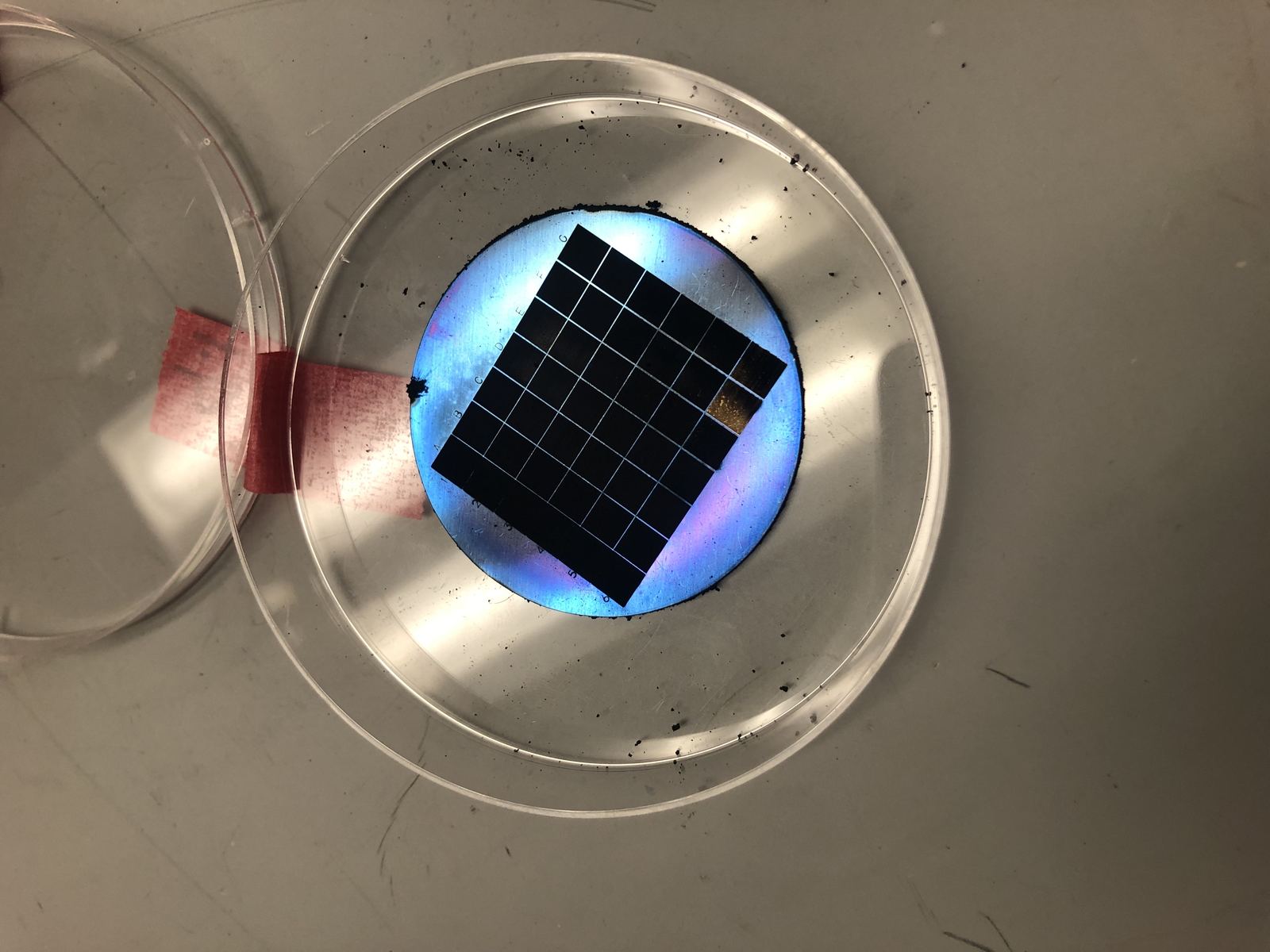
FIG. 3 — Image of the completed stainless steel sample, with grown nanotubes on top.
Why it matters
Carbon Nanotubes are a much-studied material with applications in electrodes, paints, corrosion-resistant coatings, and more. This methodology streamlines and increases precision of the delicate manufacturing process to enable improved use of the material outside of the laboratory.